
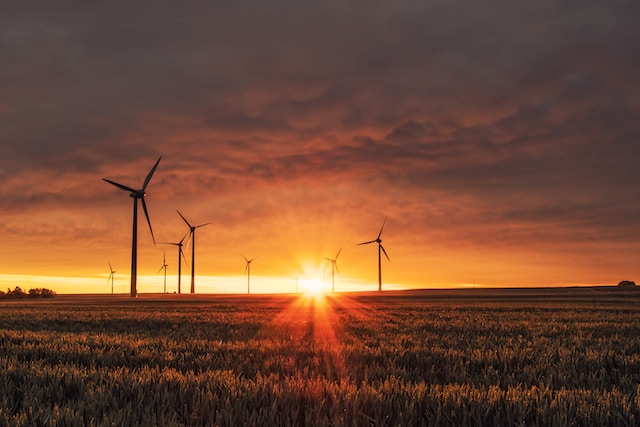

Climate technology includes the tools and systems used to cut greenhouse-gas emissions, remove carbon, and manage climate risks. It spans mature products such as solar panels and heat pumps as well as emerging options in industry, agriculture, and carbon removal. The key question is not whether a tool sounds innovative. It is whether it delivers measurable results at an acceptable cost and risk.
What climate technology covers
The field includes mitigation and adaptation. Mitigation tools reduce emissions or increase removals. Adaptation tools help people, infrastructure, and ecosystems cope with heat, floods, drought, storms, and other hazards.
Some solutions are physical products. Others combine hardware, software, finance, and public policy. For example, a battery needs grid connections, market rules, skilled installers, and suitable recycling systems. Therefore, deployment depends on the wider system around the invention.
Clean electricity and storage
Solar and wind power are central because electricity can replace fossil fuels in transport, buildings, and parts of industry. Batteries can shift electricity across hours and support grid stability. Meanwhile, transmission, distribution, forecasting, and demand response help connect variable generation with consumers.
GreenCentral profiles leading solar-energy companies and wind-energy companies. These articles show how manufacturing, projects, and services turn technologies into working energy systems.
Climate technology in buildings and transport
Heat pumps, insulation, efficient appliances, and smart controls can lower building emissions. However, performance depends on climate, building quality, electricity prices, and installation. Standards and finance often determine how quickly households can adopt them.
Electric vehicles can reduce tailpipe emissions, especially as electricity becomes cleaner. Public transit, walking, cycling, and better urban design can reduce energy demand as well. For heavy transport, solutions may include batteries, low-emission fuels, and operational efficiency.
Industry and low-carbon materials
Steel, cement, chemicals, and high-temperature heat are difficult to decarbonize. Solutions include efficiency, electrification, recycled materials, alternative chemistries, and low-carbon hydrogen for selected uses. Carbon capture may also play a role where process emissions remain hard to avoid.
Industrial projects need large capital commitments and long planning periods. As a result, firms need stable policy, infrastructure, and demand for cleaner materials. Product standards and procurement can help create that demand.
The IEA Energy Technology Perspectives 2026 reviews deployment, manufacturing, trade, competitiveness, and supply-chain issues across clean-energy technologies.
Carbon management and removal
Carbon capture separates carbon dioxide from industrial facilities or power plants before release. Storage then places the gas in suitable geological formations. By contrast, carbon dioxide removal takes carbon from the atmosphere through biological or engineered methods.
These approaches need careful accounting. Projects must measure capture, transport, storage, leakage risk, energy use, and long-term responsibility. Removal should complement deep emissions cuts rather than delay them.
Digital monitoring can improve records, but technology does not guarantee integrity. Independent checks and clear boundaries remain necessary. Our guide to carbon markets explains why measurement and claims rules matter.
Food, land, and water systems
Precision irrigation, weather services, drought-resistant crops, and soil monitoring can improve resilience. Likewise, methane controls and better nutrient management can reduce some farm emissions. Local knowledge remains essential because soil, climate, and farming systems differ.
Tools can also create trade-offs. Sensors may reduce water use, but they require connectivity, maintenance, and skills. New crop varieties may improve resilience while raising cost or seed-access concerns. Therefore, users should evaluate both technical performance and social impact.
Digital tools and Green AI
Artificial intelligence can improve weather forecasts, grid planning, building control, and equipment maintenance. However, AI systems also use electricity, water, and hardware. Climate value depends on whether the avoided emissions or reduced risk exceed the system’s footprint.
Autonomous software may act faster than human operators, but it can also make errors at scale. Governance should include testing, access controls, monitoring, and human oversight. GreenCentral’s guide to agentic AI for climate action examines these opportunities and risks.
How to evaluate climate technology
Start with the problem. Define the emissions source or climate hazard and set a measurable outcome. Next, compare the solution with a realistic baseline. Include manufacturing, operation, maintenance, and end-of-life impacts.
Then assess cost, readiness, infrastructure, and scalability. A laboratory result may not survive real operating conditions. Likewise, a successful pilot may depend on subsidies, rare skills, or inputs that are hard to expand.
Finally, examine equity and governance. Ask who pays, who benefits, who bears risk, and who controls the data. Clear answers make adoption more durable.
Scaling climate technology responsibly
Innovation matters, but deployment is the larger challenge for many proven tools. Finance, grids, permitting, supply chains, and workforce capacity can all slow progress. Public policy should therefore support research while removing practical barriers to safe adoption.
The best climate technology is not always the newest. Often, it is the solution that can be deployed reliably, maintained locally, and measured honestly. A low-carbon future will require both rapid scale-up of mature tools and careful development of the options still emerging.