
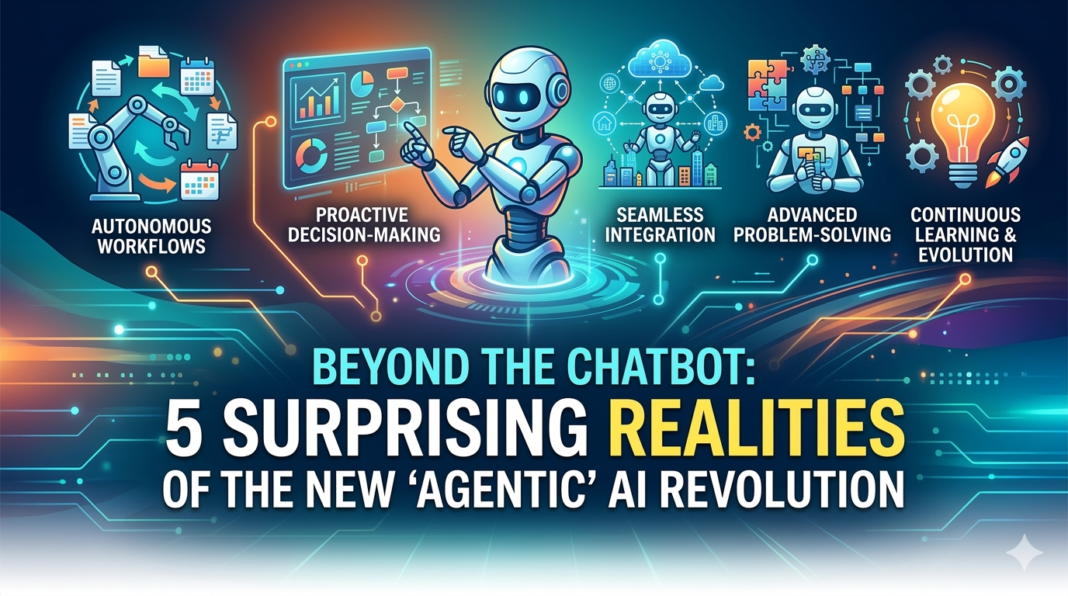

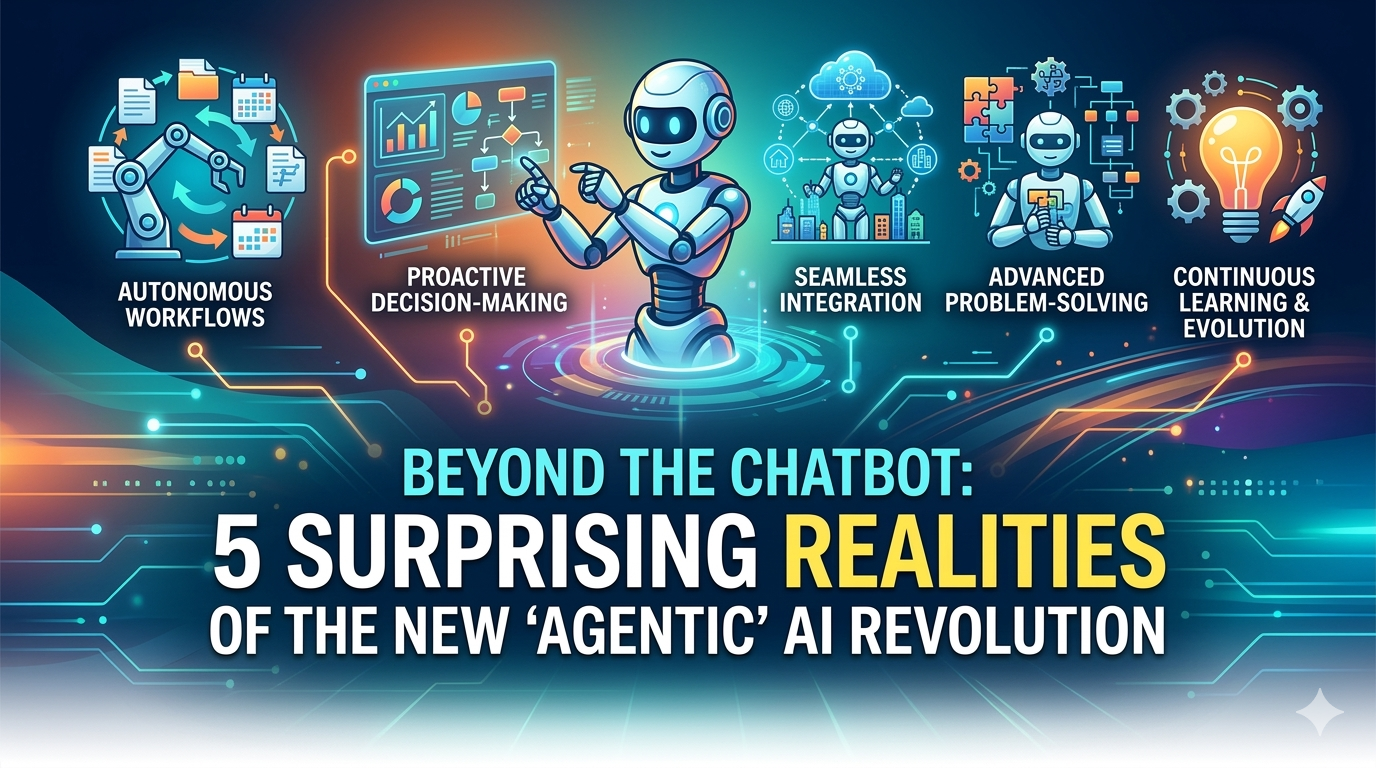
Agentic AI moves artificial intelligence beyond answering prompts. It can plan a task, choose tools, take actions, check results, and adjust its approach. In climate work, that ability could help teams respond faster to complex and changing conditions.
Yet autonomy creates new risks. An AI agent can make many linked decisions before a person reviews them. Therefore, useful deployment requires clear limits, reliable data, human oversight, and a way to stop the system when results drift.
What is agentic AI?
Traditional chatbots usually produce text after a user asks a question. Agentic AI goes further. It breaks a goal into steps, selects software or data sources, performs actions, and uses feedback to continue.
An agent may connect to databases, forecasting tools, email, dashboards, or business systems. For example, it could review energy data, detect an unusual rise in demand, compare weather forecasts, and suggest a response. A tightly controlled agent might also carry out an approved action.
How agentic AI works
Planning and task selection
First, the system turns a broad objective into smaller tasks. It may decide which information is needed, which order to follow, and which tool fits each step. Good agents also recognise when they lack enough evidence.
Tools, memory, and feedback
Next, the agent uses authorised tools. Short-term memory helps it track completed steps, while feedback helps it correct mistakes. However, memory and tool access must be limited. Otherwise, one faulty instruction can affect several connected systems.
Human approval and control
High-impact actions should require approval. A person should review unusual recommendations, costly transactions, safety decisions, and changes that affect communities. In addition, every action needs a clear audit trail.
Climate applications for agentic AI
Climate systems generate large amounts of data from weather services, sensors, satellites, markets, and company operations. Agentic AI can connect those signals to workflows. This makes it relevant to several practical areas.
- Energy management: agents can monitor buildings, forecast demand, and recommend changes that reduce waste.
- Renewable operations: they can combine weather and equipment data to support maintenance planning.
- Supply chains: agents can flag disrupted routes, missing emissions data, or suppliers that need review.
- Climate finance: they can collect disclosures, compare scenarios, and prepare evidence for analyst review.
- Carbon accounting: they can trace data gaps and request supporting records before reports are finalised.
These uses build on wider advances in machine learning for climate technology. They may also strengthen the tools covered in our guide to leading climate technology innovations.
The main risks
Agentic AI can repeat bad data at speed. It may optimise the wrong target, overlook local conditions, or take an action that appears efficient but creates a larger environmental cost. A system might also reveal sensitive operational data through an insecure tool.
Another concern is resource use. Complex models require computing power, electricity, and water for cooling. Teams should compare those costs with the environmental benefit of the task. A small, focused model may be better than a powerful general system.
Accountability is equally important. Organisations remain responsible for decisions made through their systems. They cannot transfer that duty to a model or software provider.
A responsible deployment checklist
- Start with a narrow goal. Define the task, expected benefit, and actions the agent may take.
- Limit permissions. Give the system only the data and tools needed for that task.
- Set approval gates. Require human review for high-impact, unusual, or irreversible actions.
- Test failure cases. Check how the agent handles missing data, conflicting instructions, and unavailable tools.
- Measure the full footprint. Track computing costs as well as emissions or efficiency gains.
- Keep records. Log inputs, actions, outputs, approvals, and changes to the system.
The NIST AI Risk Management Framework offers a useful foundation for governing AI risks. Its principles can help organisations map, measure, manage, and monitor an agentic system.
The future of climate action
Agentic AI is most valuable when it supports people rather than hiding decisions from them. It can reduce manual work, connect fragmented information, and help teams act on time-sensitive signals. Still, speed should not replace judgement.
The strongest systems will be narrow, observable, and easy to interrupt. They will use trusted data and make uncertainty visible. With those safeguards, agentic AI can become a practical climate tool instead of another layer of uncontrolled automation.