

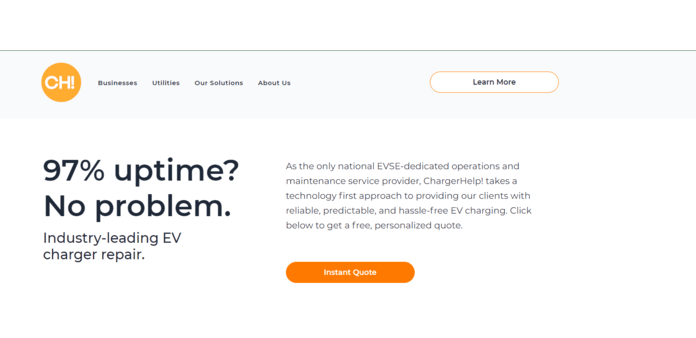
ChargerHelp focuses on a problem every electric-vehicle driver understands: chargers that do not work. The company combines software, field service, and repair data to improve charger uptime. Reliable stations make public and fleet charging more useful.
However, installing more chargers is only part of the job. Networks also need testing, maintenance, clear ownership, and fast repairs. Therefore, reliable operations are central to the shift towards electric transport.
What is ChargerHelp?
ChargerHelp is an EV charging operations and maintenance company. According to its official company page, it supports utilities, equipment makers, network operators, installers, and resellers.
The company uses its EMPWR platform for diagnostics, dispatch, and performance tracking. It also offers field operations through a reliability service. In short, the model connects software evidence with technicians on site.
Why EV charger reliability matters
A charger may appear online yet fail when a driver arrives. Payment systems, cables, screens, software, and network links can all cause problems. As a result, a single failure may require several companies to coordinate.
Poor reliability weakens trust in electric vehicles. It can also disrupt fleets that depend on set charging times. Meanwhile, broken stations waste public and private investment.
How ChargerHelp works
Remote diagnosis
First, software and service records help teams identify the likely fault. Better diagnosis can prevent unnecessary site visits. It can also tell a technician which parts or skills may be needed.
Field dispatch
When remote action is not enough, the system supports field dispatch. A technician inspects, tests, and repairs the charger. After that, service evidence becomes part of the operating record.
Performance tracking
Maintenance data can reveal repeated faults across charger models or sites. In turn, operators can plan preventive work and improve spare-parts decisions. The same data may also guide future equipment choices.
The role of maintenance data
EV charging systems mix electrical hardware, software, communications, and payments. A basic error code may not explain the real cause. Therefore, verified repair records can improve future diagnosis.
Machine learning may also find patterns in large service datasets. Our guide to machine learning for climate technology explains how models can support maintenance and system control.
Workforce development and the 2025 spinout
ChargerHelp previously ran training programmes for EV service work. In 2025, that division became an independent company called SmarterHelp. The change separated workforce education from ChargerHelp’s core reliability business.
Even so, technician skills remain important. EV chargers require knowledge of electricity, software, safety, and customer service. Ongoing review and training help field teams keep pace with changing equipment.
Benefits for charging networks
- Less downtime: faster diagnosis and repair can return chargers to service.
- Better planning: service data can reveal common faults and parts needs.
- Clearer records: operators can track work across sites and equipment brands.
- Lower waste: accurate diagnosis can reduce needless visits and replacements.
- More driver trust: working chargers make electric travel easier to plan.
Challenges to solve
No service provider controls the whole charging system. Equipment makers, site owners, networks, utilities, and payment firms all play a role. Therefore, clear responsibility and data access are essential.
Cybersecurity and privacy also matter. Maintenance platforms connect to operational systems and may hold sensitive data. Operators should limit access, log actions, and protect remote tools.
How ChargerHelp supports climate technology
Electric vehicles can reduce transport emissions when power systems become cleaner. Yet that benefit depends on chargers being available and reliable. Maintenance is therefore part of climate infrastructure, not an afterthought.
ChargerHelp fits within the wider set of climate technology innovations that turn clean hardware into working systems. Operations may look less dramatic than a new device, but they shape real-world results.
A checklist for charging operators
- Define uptime. Use a measure that reflects the driver’s experience.
- Assign responsibility. Know who handles each type of fault.
- Keep good records. Link symptoms, tests, repairs, and outcomes.
- Plan preventive work. Do not wait for every charger to fail.
- Train technicians. Update skills as hardware and software change.
- Review repeat faults. Use evidence to improve equipment and contracts.
The bottom line
ChargerHelp treats EV charger uptime as an operating problem that needs both data and field skills. Its model connects diagnosis, dispatch, repair, and performance tracking.
As charging networks grow, reliable maintenance will matter as much as new construction. Drivers need stations that work, while operators need evidence that helps them fix failures quickly.