
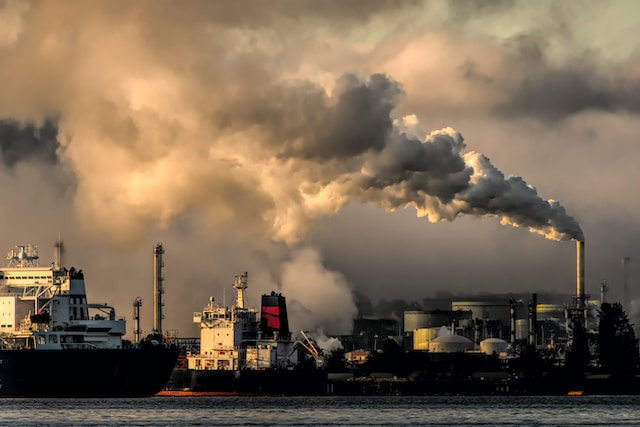

Global warming is the long-term rise in Earth’s average surface temperature. Human activities are the main cause of the current trend, especially the burning of coal, oil, and gas. Understanding the causes, effects, and solutions helps connect daily choices with the larger changes needed across energy, transport, industry, land use, and finance.
What causes global warming?
The atmosphere contains gases that trap part of Earth’s outgoing heat. This natural greenhouse effect keeps the planet warm enough for life. However, human activity has increased the concentration of carbon dioxide, methane, and other heat-trapping gases.
Fossil-fuel combustion is the largest source of carbon dioxide emissions. Deforestation also releases stored carbon and removes trees that would otherwise absorb carbon dioxide. In addition, agriculture, waste, and energy systems emit methane and nitrous oxide.
The NASA climate evidence overview summarizes observations from temperature records, oceans, ice, and satellites. Together, these records show a warming planet and a strong human influence on the climate system.
Global warming and climate change
The terms are related but not identical. Global warming refers specifically to the rise in average temperature. Climate change is broader. It includes shifts in rainfall, sea level, ice, ecosystems, and the frequency or severity of some extreme events.
A warmer average changes the conditions in which weather occurs. Therefore, it can influence heatwaves, heavy rainfall, drought risk, wildfire weather, and coastal flooding. No single weather event has one simple cause, but scientists can estimate how warming changes its likelihood or intensity.
Our climate-change explainer examines this wider set of risks and responses.
Evidence of a warming world
Scientists use many independent measurements. Thermometers record rising air and ocean temperatures. Satellites track ice loss and sea-level change. Ocean instruments measure heat stored below the surface. Meanwhile, glaciers and seasonal snow provide additional evidence.
The pattern matters as much as any single number. Nights and cold periods have warmed, oceans have gained heat, and many ice masses have declined. These signals match the physical effect expected from higher greenhouse-gas concentrations.
The IPCC Sixth Assessment Synthesis Report brings together evidence on climate science, impacts, adaptation, and emissions reduction. It also explains how risks rise as warming increases.
Effects on people and ecosystems
Heat can harm health, reduce labor productivity, and raise electricity demand. Moreover, high temperatures can worsen drought and wildfire conditions in some regions. Cities face extra risk because buildings and paved surfaces store heat.
Water impacts vary. Some places experience heavier downpours and floods, while others face longer dry periods. Warmer oceans also expand, and melting land ice adds water to the sea. As a result, coastal communities face higher flood and erosion risks.
Food systems can be affected through heat stress, changing rainfall, pests, and water limits. Ecosystems may shift faster than some species can adapt. Coral reefs, mountain habitats, and polar systems are especially sensitive.
These impacts are unequal. Communities with fewer resources often have less protection and less ability to recover. Climate policy therefore needs to consider health, livelihoods, infrastructure, and fairness.
How to limit global warming
The main task is to reduce greenhouse-gas emissions rapidly and reach net zero for carbon dioxide. Clean electricity is central because it can also power vehicles, buildings, and some industrial processes. Energy efficiency lowers demand and can reduce costs.
Transport solutions include public transit, walking, cycling, electric vehicles, and cleaner fuels for harder-to-electrify uses. Industry can improve efficiency, change materials, electrify heat, and use low-carbon hydrogen in selected applications. Methane controls can deliver additional near-term benefits.
Land protection also matters. Stopping deforestation, restoring ecosystems, and improving soil management can protect carbon stores. However, land-based removals cannot substitute for deep fossil-fuel cuts. Our guide to regenerative agriculture discusses both soil benefits and measurement limits.
Adaptation and resilience
Some climate impacts are already unavoidable, so societies must adapt. Heat-action plans, cool roofs, early-warning systems, and stronger health services can reduce harm. Likewise, resilient drainage, water planning, and coastal protection can lower infrastructure risk.
Adaptation works best when decisions use local data and include affected communities. It also needs maintenance and finance. Poorly designed projects can shift risk from one group to another, so planners should assess who benefits and who may be harmed.
Policy, finance, and technology
Governments can use standards, public investment, carbon pricing, and research support. Businesses can set credible transition plans, measure emissions, and direct capital toward real reductions. Investors can examine whether climate claims match spending and operational decisions.
Technology helps, but deployment matters. Solar, wind, batteries, efficient buildings, and electric transport must scale through grids, supply chains, skilled labor, and affordable finance. GreenCentral’s overview of climate technology explains how these pieces work together.
A practical response
Individuals can save energy, choose lower-emission travel, reduce waste, and support sound public policy. Yet personal action works best alongside changes in infrastructure and markets. People need realistic clean options before they can adopt them widely.
Global warming is a physical problem with social and economic consequences. The evidence is strong, and solutions already exist. Progress depends on cutting emissions, preparing for impacts, measuring results honestly, and protecting people during the transition.