

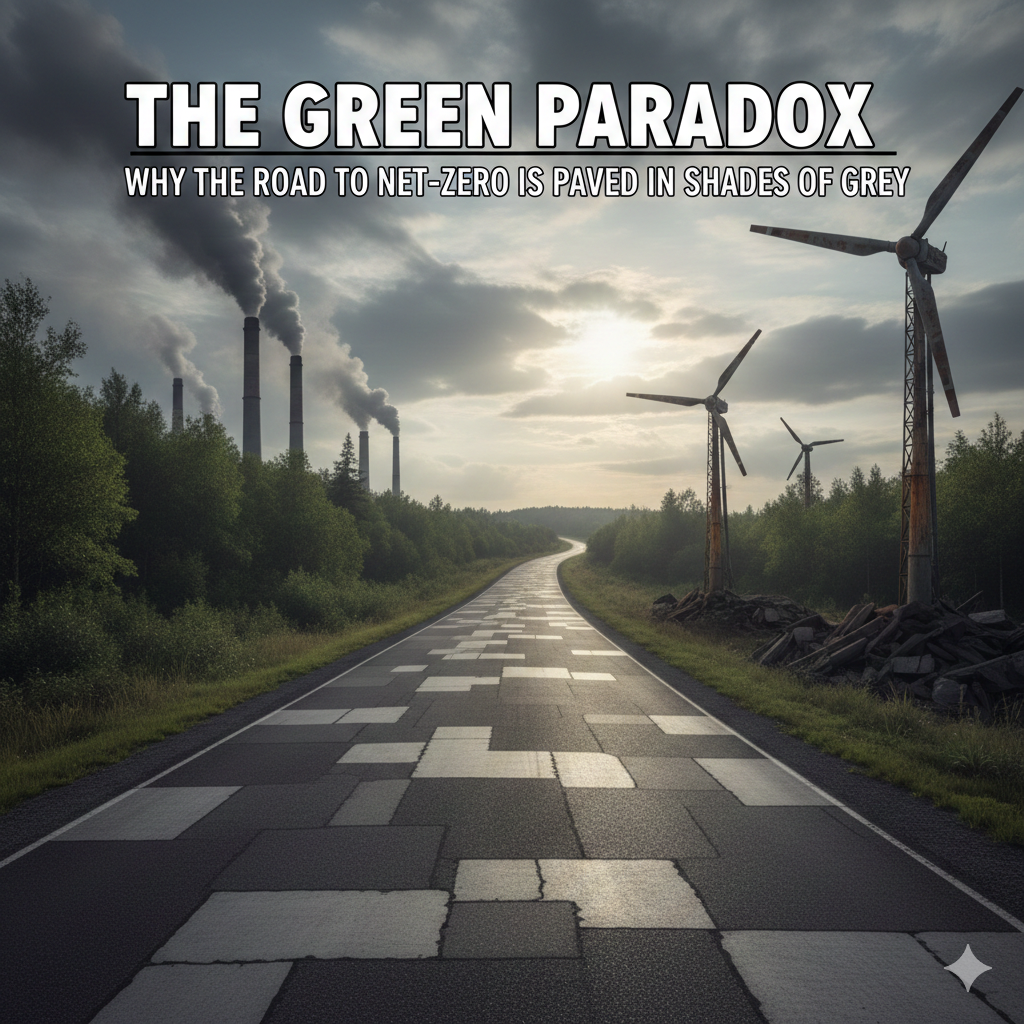
The green paradox appears when a climate policy produces the opposite of its goal. A rule meant to cut emissions may speed fossil fuel use, move pollution abroad, or block useful transition projects.
This does not mean climate action should slow down. Instead, it shows why policy design matters. Leaders need firm goals, clear dates, and practical routes for high-emission sectors.
What is the green paradox?
The term often describes a response by fossil fuel owners. If they expect strict policy in the future, they may sell more fuel now. As a result, near-term emissions can rise before the rule takes effect.
The same idea can describe wider policy side effects. For example, a region may close a dirty plant but import the same product from a dirtier source. Global emissions may then stay flat or grow.
Why simple green labels can fail
Finance systems often divide assets into green and brown groups. That split is easy to explain. However, it can ignore how hard-to-abate industries must change.
Steel, cement, shipping, and chemicals still support daily life. Cutting all finance may weaken cleaner projects inside those sectors. Meanwhile, firms with poor plans may find money from less demanding sources.
Three forms of the green paradox
Faster fossil fuel sales
A future ban can lower the expected value of fuel left underground. Producers may respond by selling sooner. Therefore, policy should combine long-term signals with near-term limits.
Carbon leakage
Strict rules can move production to places with weaker standards. The original country reports lower emissions, but the atmosphere sees little gain. In addition, local jobs may disappear.
Green finance without real change
A company may fund one clean project while expanding high-carbon assets elsewhere. The green label then hides the wider plan. Investors should assess the whole business, not only one bond.
The role of transition finance
Transition finance can fund credible change in heavy industry. For example, it may support cleaner steel, new fuels, or lower-carbon cement.
Still, the funding needs strict tests. The company should follow a science-based path and publish short-term targets. It should also show the capital spending needed to meet them.
Avoiding carbon lock-in
New assets can operate for decades. A small efficiency gain may therefore extend fossil fuel use well beyond a net-zero date. Investors need to examine the full life of each project.
The OECD’s work on carbon lock-in explains ways to test transition investments. Useful checks include retirement dates, technology pathways, and future emissions.
Better policy design
- Act now as well as later. Near-term limits reduce the urge to rush extraction.
- Cover imports. Fair border rules can reduce carbon leakage.
- Fund real transition. Support projects with clear pathways and dates.
- Protect workers. Training and local investment make change more durable.
- Track total emissions. Count the full value chain, not only local sites.
- Review results. Adjust rules when evidence shows harmful side effects.
What investors should ask
First, does the company have a credible net-zero path? Next, does its budget support that path? Targets without capital are only promises.
Investors should also check new assets, lobbying, and supply-chain emissions. In practice, these details reveal whether a green project supports real change or delays it.
Climate finance needs nuance
The transition needs both strict limits and large investment. Cutting finance from every high-emission firm can create gaps. Yet funding weak plans can lock in more pollution.
Good climate finance manages this tension. It directs money towards measurable change while keeping pressure on total emissions.
The bottom line
The green paradox is a warning about unintended results. It does not weaken the case for climate action. Instead, it calls for smarter timing, wider coverage, and better finance.
Strong policy should cut emissions now and guide investment for the future. When both parts work together, net-zero plans can avoid the traps hidden in simple green labels.